- Practical solutions and https://bonrushs-uk.uk transform living spaces with lasting appeal
- Enhancing Your Home’s Functionality Through Smart Storage
- Optimizing Wardrobe Space
- Creating Ambiance with Lighting Design
- The Impact of Color Temperature
- Choosing Durable and Stylish Flooring Options
- The Benefits of Luxury Vinyl Tile (LVT)
- Incorporating Biophilic Design for Wellbeing
- Maximizing Space with Clever Furniture Choices
Practical solutions and https://bonrushs-uk.uk transform living spaces with lasting appeal
Creating a home that feels both functional and beautiful doesn't have to be a daunting task. Often, it's a matter of finding the right solutions and incorporating elements that enhance your living spaces. Many homeowners are discovering innovative ways to achieve this, moving beyond traditional approaches to design and embracing more adaptable and long-lasting options. Finding reliable partners in this journey is crucial, and companies like bonrushs-uk.uk are dedicated to providing those very solutions, helping to transform houses into homes with genuine appeal.
The concept of a ‘well-lived’ space is evolving. It's no longer simply about aesthetics; it’s about creating an environment that supports your lifestyle, promotes wellbeing, and reflects your personal story. This involves careful consideration of everything from furniture selection and layout to lighting and storage. Investing in quality pieces and thoughtful design choices can significantly elevate your daily life and create a sanctuary you’ll truly enjoy for years to come. More people are understanding the value of investing in lasting quality rather than fleeting trends.
Enhancing Your Home’s Functionality Through Smart Storage
One of the biggest challenges homeowners face is maximizing space, particularly in smaller homes or apartments. Clutter can quickly accumulate, making a home feel cramped and disorganized. Implementing smart storage solutions is therefore paramount. This isn’t just about buying a few plastic bins; it’s a holistic approach to organization that considers every nook and cranny. Thinking vertically – utilizing shelves, tall cabinets, and wall-mounted organizers – is a great starting point. Furthermore, multi-functional furniture, such as ottomans with hidden storage or beds with drawers underneath, can be incredibly effective. Regular decluttering is also vital; being ruthless about discarding items you no longer need or use frees up valuable space and simplifies your life. Consider the flow of traffic within your rooms when designing your storage systems – ensure that frequently used items are easily accessible.
Optimizing Wardrobe Space
The wardrobe is often a source of significant clutter. A key strategy is to adopt the ‘one in, one out’ rule – for every new item of clothing you acquire, donate or discard an old one. Investing in slimline hangers can dramatically increase the amount of space you have. Utilizing shelf dividers and storage boxes within the wardrobe can also create better organization and prevent piles of clothes from becoming overwhelming. Seasonal clothing should be stored away in vacuum-sealed bags to save space and protect it from moths. Don't underestimate the power of a well-organized shoe rack; it can instantly transform a messy closet into a streamlined space.
| Limited Floor Space | Vertical Shelving, Wall-Mounted Organizers |
| Cluttered Wardrobe | Slimline Hangers, Vacuum-Sealed Bags |
| Lack of Entryway Storage | Console Table with Baskets, Coat Rack |
| Small Kitchen Cabinets | Stackable Containers, Shelf Risers |
Choosing the right storage solutions can dramatically impact the feel of a room. Opt for materials and styles that complement your existing décor to create a cohesive and aesthetically pleasing look. A well-organized home is not only more functional but also more relaxing and inviting.
Creating Ambiance with Lighting Design
Lighting is often underestimated, yet it plays a crucial role in setting the mood and enhancing the functionality of any space. Effective lighting design involves layering different types of light – ambient, task, and accent – to create a balanced and welcoming atmosphere. Ambient lighting provides overall illumination, while task lighting focuses on specific areas for activities like reading or cooking. Accent lighting highlights architectural features or artwork. The color temperature of your lights also matters. Warmer tones (around 2700K) are ideal for creating a cozy and inviting atmosphere, while cooler tones (around 5000K) are better suited for task areas. Dimmers are an invaluable addition, allowing you to adjust the brightness to suit your needs and create different moods. Consider the natural light available in each room and supplement it accordingly. Smart lighting systems offer even greater control, allowing you to schedule lights, adjust colors, and even control them remotely.
The Impact of Color Temperature
As mentioned, color temperature significantly influences how we perceive a space. Cool white or daylight bulbs are excellent for kitchens and home offices where focus and clarity are essential. They mimic natural daylight, helping to boost alertness and productivity. However, they can feel harsh in living rooms or bedrooms. Warm white bulbs, on the other hand, create a softer, more relaxing ambience, making them perfect for spaces where you want to unwind. Experimenting with different color temperatures can help you discover what works best for your personal preferences and the specific function of each room. LED bulbs offer a wide range of color temperatures and are also energy efficient, making them a sustainable choice.
- Ambient lighting: Provides overall room illumination.
- Task lighting: Focuses light on specific areas.
- Accent lighting: Highlights features and adds visual interest.
- Dimmers: Allow adjustable brightness levels.
Don’t be afraid to experiment with different lighting fixtures and arrangements. A combination of overhead lights, lamps, and sconces can create a dynamic and visually appealing lighting scheme. Remember that lighting is not just about functionality; it’s also about creating an atmosphere that reflects your personal style.
Choosing Durable and Stylish Flooring Options
Flooring is a significant investment and a key element of any home's aesthetic. Choosing the right flooring requires considering factors such as durability, maintenance, cost, and style. Hardwood floors are a classic choice, offering timeless beauty and lasting value. However, they can be expensive and require regular maintenance. Engineered hardwood provides a more affordable and stable alternative, offering the look of real wood with enhanced durability. Laminate flooring is another cost-effective option, known for its scratch resistance and easy maintenance. For bathrooms and kitchens, tile or vinyl are popular choices due to their water resistance and durability. Carpeting offers comfort and warmth but requires more frequent cleaning and may not be suitable for homes with pets or allergies. When selecting flooring, consider the overall style of your home and choose options that complement your décor. Always factor in the level of foot traffic and potential for spills when making your decision.
The Benefits of Luxury Vinyl Tile (LVT)
Luxury vinyl tile (LVT) has become increasingly popular in recent years, and for good reason. It offers the look of hardwood, stone, or tile at a fraction of the cost. LVT is also incredibly durable, waterproof, and easy to maintain. It's available in a wide range of styles and colors, making it a versatile option for any room. Installation is relatively straightforward, often available as a click-lock system, making it a good choice for DIY enthusiasts. Because it is waterproof, LVT is an excellent choice for bathrooms, kitchens, and basements. The comfort underfoot is also a significant benefit, making it a pleasant surface to walk on.
- Assess your budget.
- Consider the level of foot traffic.
- Choose a style that complements your décor.
- Factor in maintenance requirements.
Proper flooring installation is crucial for ensuring long-lasting performance. If you’re not comfortable with DIY, it’s best to hire a professional installer to ensure a flawless result and avoid potential problems down the road. Investing in quality flooring will not only enhance the beauty of your home but also add to its value.
Incorporating Biophilic Design for Wellbeing
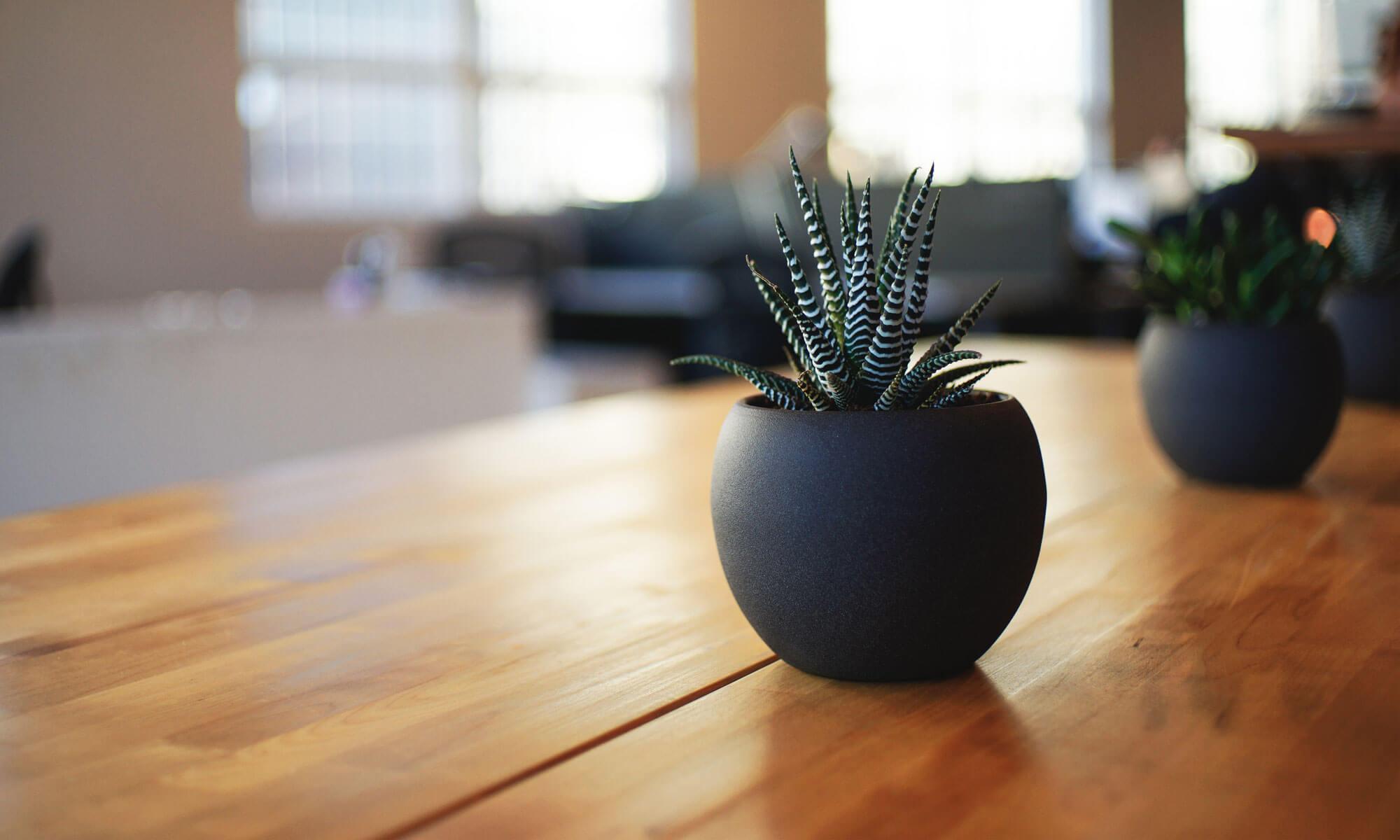
Biophilic design is a concept that focuses on connecting people with nature within built environments. This can be achieved through various strategies, such as incorporating natural light, ventilation, natural materials, and plants into your home. Research has shown that biophilic design can have numerous benefits for our wellbeing, including reduced stress levels, improved mood, and increased creativity. Bringing the outdoors in doesn’t require a complete renovation. Simple additions like potted plants, natural wood furniture, and artwork depicting natural scenes can make a significant difference. Ensuring ample natural light is also crucial, as exposure to sunlight helps regulate our circadian rhythms and boost vitamin D levels. When choosing materials, opt for sustainable and natural options like bamboo, cork, or reclaimed wood. The goal is to create a space that feels harmonious and connected to the natural world.
Paying attention to the textures and colors found in nature can also enhance the biophilic effect. Earthy tones, like greens, browns, and blues, are naturally calming and create a sense of tranquility. Incorporating natural textures, such as wood grain, stone, or linen, adds depth and visual interest. Even the sound of water can be incredibly soothing. A small indoor fountain or water feature can create a relaxing and inviting atmosphere. embracing this design philosophy can transform your home into a sanctuary that nurtures your mind, body, and soul.
Maximizing Space with Clever Furniture Choices
The right furniture can make or break a space, particularly in smaller homes. Choosing pieces that are both functional and stylish is essential. Multifunctional furniture, such as sofa beds, storage ottomans, and extendable dining tables, are incredibly valuable for maximizing space. Opting for furniture with clean lines and a minimalist aesthetic can also create a more open and airy feeling. Consider the scale of your furniture in relation to the size of the room. Oversized pieces can overwhelm a small space, while undersized furniture can look lost and out of proportion. Utilizing vertical space with tall, narrow bookshelves or cabinets can also help to create the illusion of more space. When selecting furniture, prioritize quality over quantity. Investing in a few well-made pieces that will last for years is a more sustainable and cost-effective approach than constantly replacing cheaper items.
Furthermore, don’t underestimate the power of color and pattern. Lighter colors can make a room feel larger and brighter, while darker colors can create a more intimate and cozy atmosphere. Strategic use of mirrors can also create the illusion of more space by reflecting light and visually expanding the room. There are many innovative furniture designs available that are specifically designed to maximize space and functionality. Exploring these options can help you create a home that is both beautiful and practical. Companies like bonrushs-uk.uk offer a wide range of space-saving furniture solutions to suit various needs and styles.